

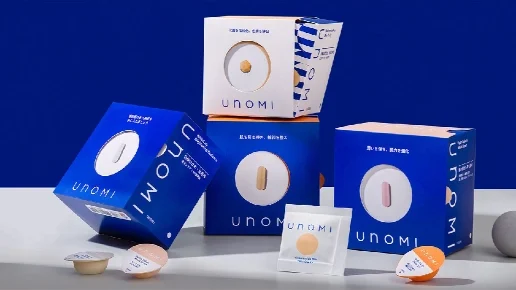
Retail packaging design is how products are packed and shown to customers in stores or online. It includes the box, bag, or container that holds the product. A great design keeps the product safe, easy to use, and attractive.
Packaging is the first thing people see before they decide to buy. If it looks appealing, they are more likely to pick it up. A well-designed retail box can tell the customer about your brand and make your product stand out from competitors.
Importance of Retail Packaging
Retail packaging also keeps products safe. It protects them from damage, moisture, dust, and sunlight. Sturdy packaging ensures your product reaches the customer in perfect condition.
Colors, logos, and designs on the box reflect your brand style. Packaging can make customers feel trust and confidence in your brand.
Key Elements of Retail Packaging Design
Colors
Colors affect mood and buying behavior.
- Red: energy and excitement (used in food and drinks)
- Green: freshness and nature (used in eco-friendly brands)
Choose colors that match your brand and product type.
Typography
Text should be easy to read.
Use bold fonts for product names and smaller fonts for details. Avoid fonts that are hard to understand.
Logos and Branding
Your logo should be placed where it can be seen easily.
Images and Graphics
Pictures or icons can make the packaging more attractive.
For example, a coffee box can show coffee beans or a steaming cup.
Labels and Product Information
Labels should include product name, ingredients, usage instructions, and expiry date.
Common Materials Used in Retail Packaging
Paperboard and cardboard
- Lightweight, easy to print on, and perfect for retail displays.
- Commonly used for cereal boxes, cosmetics, and toys.
Corrugated boxes
- Strong and durable, used for shipping and larger products.
- They have layers for extra protection.
Plastic packaging
- Flexible and water-resistant.
- Used for food, electronics, and cosmetics.
Kraft paper and eco-friendly options
- Recyclable, biodegradable, and reusable.
- Gives a natural, rustic look.
- Great for eco-friendly brands.
Rigid boxes for premium products
- Thick, sturdy boxes that give a premium look and feel.
- Used for luxury items like jewelry, perfumes, and electronics.
Design Considerations for Different Retail Products
Food and beverage packaging
It should be made of food-grade materials to protect freshness and taste.
Example: sealed snack pouches, beverage cans, and boxes with nutrition details.
Clothing and apparel boxes/bags
It should be stylish and easy to carry.
Brands use custom-printed bags or foldable boxes with tissue paper for a premium unboxing.
Cosmetic and beauty product packaging
These boxes show product quality and brand style.
It uses small boxes, labels, and inserts to hold products securely.
Electronics and gadgets packaging
Needs strong protection with sturdy materials and foam inserts to avoid damage.
Gift and luxury item packaging
Made from rigid material with premium finishes, magnetic closures, and ribbons make it feel special.
Sustainable Retail Packaging Trends
Recycled and plant-based materials
Made from paper, cardboard, or plant fibers to reduce waste.
Minimalist and low-waste packaging
Uses less ink, smaller boxes, and fewer materials to lower environmental impact.
Compostable and biodegradable options
Break down naturally without harming the planet.
Easy-to-recycle designs
Simple packaging that is easier for customers to recycle.
Smart Features in Retail Packaging
QR codes
Great for product details or promotions
Scanning a QR code can give customers recipes, tutorials, or special offers.
NFC/RFID
Great for tracking and authenticity
These chips help track inventory and prove the product is real.
Interactive packaging
Some brands use augmented reality (AR)
It helps customers interact with the packaging through their phones.
Mistakes to Avoid in Retail Packaging Design
Overcrowded layouts
Avoid too much text or graphics it can look messy.
Poor material choices
Poor packaging can damage the product and harm your brand image.
Hard-to-read fonts
Avoid small or fancy fonts as they are hard to read.
Weak protection for products
Choose materials that match the product’s weight and fragility.
Not being sustainable
Customers prefer eco-friendly packaging, so avoid wasteful designs.
Retail Packaging Design Process
Researching target customers
Know who you are selling to.
A packaging style for teens will look different from one for adults.
Choosing materials and structure
Pick materials that protect the product and match your product style.
Creating a design mock-up
A sample helps you see how the packaging will look and function.
Testing for durability and usability
Check if the packaging can handle transport, storage, and opening by customers.
Finalizing and producing packaging
Once approved, start production and ensure quality checks are in place.
Conclusion
Retail packaging design is all about protection, branding, and customer experience. From colors and fonts to materials and smart features, every choice matters.
Sustainable and user-friendly designs not only please customers but also build brand trust. With the right approach, your retail packaging can protect your products and increase sales.
