

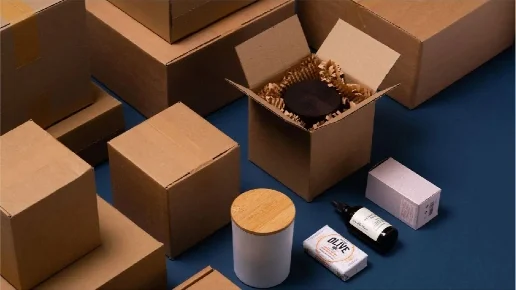
Packaging is the way products are wrapped, stored, and presented before reaching customers. It is about keeping it safe, easy to use, and attractive.
From food items to electronics, every product needs the right packaging. Good packaging makes products look presentable, travel safely, and stay fresh for longer.
In this blog, you will learn the importance of packaging, its types, characteristics, trends, and more.
Importance of Packaging
Packaging plays a big role in today’s world. It connects brands with customers and adds value to products.
Here are a few reasons why packaging is important:
- It protects goods during storage and shipping.
- It helps customers know what’s inside.
- It makes a product more attractive on shelves.
- It reflects the brand’s image.
Main Functions of Packaging
1. Protection of Products
The first and most important job of packaging is protection. Packaging shields products from damage, dirt, and moisture.
For example, bottles keep drinks safe, while bubble wrap protects fragile items during shipping.
2. Easy Handling and Storage
Packaging makes items easy to carry, stack, and store. Boxes with handles, resealable bags, or stackable cartons save time and space.
3. Informing Customers
Packaging gives customers important information. Labels show product details, usage instructions, ingredients, expiry dates, and safety warnings.
Without packaging, customers would not know how to use or trust a product.
4. Marketing and Branding Role
Packaging plays a huge role in marketing and branding. Colors, logos, and designs make a product recognizable. Eye-catching packaging can attract buyers even before they know much about the product.
For example, perfume boxes, snack packs, or gadget packaging.
Types of Packaging
1. Primary Packaging
Primary packaging is the first layer that makes direct contact with the product.
Examples include bottles for water, wrappers for chocolates, or tubes for creams. It keeps the product safe and ready to use.
2. Secondary Packaging
Secondary packaging groups several primary packages.
For example, a carton that holds six soda cans or a box that carries a pack of soap bars. It helps in handling and branding.
3. Tertiary Packaging
Tertiary packaging is used for bulk shipping. They protect goods during long-distance transport and make loading easier.
Large boxes, wooden crates, and pallets are examples.
Materials Used in Packaging
1. Paper and Cardboard
Paper and cardboard are lightweight, easy to print on, and recyclable. They are often used for food boxes, gift boxes, and shipping cartons.
2. Plastic
Plastic is durable and flexible. It is used for bottles, bags, and containers. Even though plastic is common, many companies now try to reduce its use because it can harm the environment.
3. Glass
Glass packaging is strong and reusable. It keeps food and drinks fresh and safe. Jars, bottles, and medicine vials are common examples.
4. Metal
Metal packaging, like cans or tins, protects food and drinks for a long time. Aluminum and steel are widely used because they are strong and can be recycled.
5. Eco-Friendly Materials
Eco-friendly packaging is made from recycled or biodegradable materials. Examples include kraft paper, compostable plastics, and plant-based packaging. These options reduce waste and support sustainability.
Characteristics of Good Packaging
Good packaging has some common features:
- Strong: It should be strong enough to protect the product from damage during handling, storage, and transport.
- Lightweight: Packaging should be lightweight so it is easy to carry and transport without adding extra cost.
- Informative: The packaging should clearly show important details like the product name, use, ingredients, and expiry date.
- Attractive: It should look appealing and catch the buyer’s eye when placed on a shelf.
- Eco-friendly: Packaging should be safe for the environment and easy to recycle or reuse.
- Easy to open: The package should be easy to open or close, adding convenience to the customer experience.
- Appropriate size: The packaging should fit the product well, without being too big or too small.
Modern Trends in Packaging
1. Eco-Friendly and Sustainable Packaging
Many brands are moving towards green packaging. Customers today prefer recyclable or compostable materials instead of single-use plastics.
2. Smart Packaging
Smart packaging includes features like QR codes, NFC tags, or tracking labels. These allow customers to scan the package for more details or even track their orders.
3. Minimalist and Simple Designs
Less is more. Minimalist designs focus on clean, simple looks with fewer colors and graphics. They give a modern and premium feel to products.
Packaging Across Different Industries
1. Food and Beverages
Packaging keeps food safe, fresh, and easy to use. It includes bottles, cans, pouches, and boxes. Labels also show nutrition and expiry details.
2. Cosmetics and Skincare
Cosmetic packaging is often stylish and premium. It must protect sensitive products like creams and serums from air, light, or bacteria.
3. Electronics
Electronic packaging protects delicate items from damage and dust. It usually includes foam, anti-static wraps, and sturdy boxes.
4. Toys and Games
Toy packaging is bright and fun to attract kids. It also ensures safety and shows warnings about age limits.
5. Fashion and Apparel
Clothes and accessories are often packed in bags, boxes, or wrapping paper. Premium brands use elegant packaging to add value to their products.
Benefits of Good Packaging
Good packaging provides many benefits, such as:
- Longer product life.
- Easy transport and storage.
- Better brand recognition.
- Higher customer trust.
- Eco-friendly solutions.
Conclusion
Packaging protects, informs, and promotes. With new materials and modern designs, packaging continues to change.
Brands that invest in strong, eco-friendly, and attractive packaging not only keep products safe but also win customer trust.
In short, packaging is a powerful marketing tool that protects products, informs buyers, and builds brand identity.
