

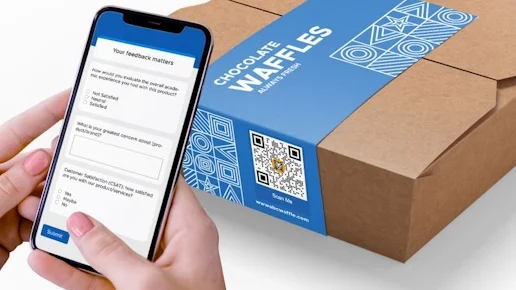
Smart packaging uses modern technology such as sensors, QR codes, and digital tags to make packaging more functional and interactive. Unlike regular boxes, it provides real-time information about the product’s condition, quality, and origin. In short, smart packaging solutions make products safer, more informative, and more engaging.
Difference Between Smart and Traditional Packaging
Traditional packaging mainly protects the product from damage, dust, and moisture. It focuses on appearance and safety.
Smart packaging, on the other hand, does much more. It connects with customers through technology, tracks products, ensures authenticity, and even gives freshness alerts. They have built-in technology like sensors, RFID tags, or smart codes.
Benefits of Smart Packaging
- Reducing Product Spoilage and Waste
Smart packaging helps reduce waste by tracking temperature, humidity, and product freshness. For example, food packages with freshness indicators can alert retailers or customers before spoilage occurs, ensuring safer and longer-lasting products.
- Quality Control
Smart sensors or data chips in packaging help brands maintain quality from production to delivery. They record handling conditions and make sure products are stored correctly throughout the supply chain.
- Product Authentication
Smart packaging uses digital codes, NFC chips, or QR verification to confirm product authenticity. Customers can easily scan the package, which builds trust and protects brand reputation.
- Increasing Sales
By offering interactive and informative experiences, smart packaging attracts more customers. Like, scanning a QR code can reveal recipes, tutorials, or brand stories. This builds stronger customer engagement and can lead to more sales.
- Improving Customer Experience
Smart retail packaging improves the overall buying and unboxing experience. Customers can access instant details about ingredients, expiry dates, or usage instructions. Some smart packages even connect to apps, making the experience more personal and convenient.
- Reducing Packaging Costs
Though smart packaging may seem costly at first, it helps businesses save money in the long run. Real-time tracking reduces product loss, returns, and waste. It also improves supply chain efficiency, cutting extra costs for damaged or spoiled goods.
Industries That Use Smart Packaging
Smart packaging is used in many industries today, including:
- Food and Beverages: To track freshness, temperature, and safety.
- Pharmaceuticals: To monitor storage conditions and ensure proper dosage.
- Cosmetics and Beauty: To verify authenticity and offer ingredient information.
- Retail and E-commerce: For tracking deliveries and improving customer engagement.
- Electronics: To provide safe transport and digital manuals via QR codes.
Tips to Improve Smart Packaging
- Use Smart Codes
Adding barcodes, NFC tags, or QR codes helps brands share product details or instructions easily with customers.
- Add Intelligent Functions
Include sensors that can detect temperature or tampering to keep products safe during storage and shipping.
- Use Flexible Materials
Using flexible materials in smart packaging makes products lightweight, durable, and eco-friendly. They also keep items protected, fresh, and easy to use.
- Create Sensory Experiences
Smart packaging can create sensory experiences through features like thermochromic inks. It can change color with temperature or augmented reality (AR) elements that let customers interact with the packaging using their phones.
- Guarantee Protection
Use RFID technology in smart packaging to ensure product safety and easy tracking. RFID tags let you monitor packages throughout production, storage, and delivery, helping prevent theft and loss.
Trends in Smart Packaging
- Traceability
Smart packaging allows brands to trace every step from product production to customer delivery.
- Safety
Smart packaging improves safety by using active packaging and Modified Atmosphere Packaging (MAP). It reduces contamination and extends shelf life, keeping food products fresher and safer for longer.
- Quality
Real-time tracking ensures consistent product quality, reducing complaints and returns.
- Interaction
Interactive smart packaging connects customers directly with brands through digital experiences, like scanning a code for rewards or feedback.
- Sustainability
Modern smart packaging solutions often use eco-friendly materials and digital features to reduce paper and plastic waste.
- Transparency
Smart retail packaging provides clear information about ingredients, origin, and handling, helping build trust and loyalty.
Conclusion
Smart packaging combines innovation and technology to make products safer, smarter, and more interactive. From reducing waste to improving quality and customer trust, it’s changing how brands package and deliver their products.
Businesses that choose smart packaging have stronger customer relationships and a more efficient packaging system.
