

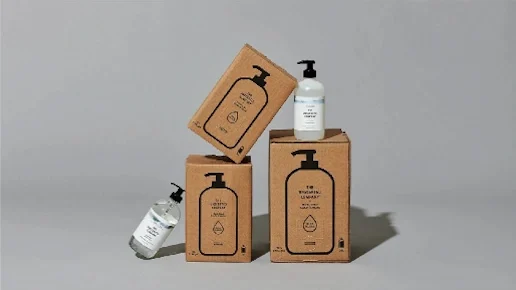
Packaging is the way we wrap, seal, or protect products before they reach people. It is the first thing customers see, touch, and open.
Different products need different types of packaging because every product has unique needs. For example, food needs packaging that keeps it fresh, medicines need packaging that keeps them safe, and luxury items need packaging that looks premium.
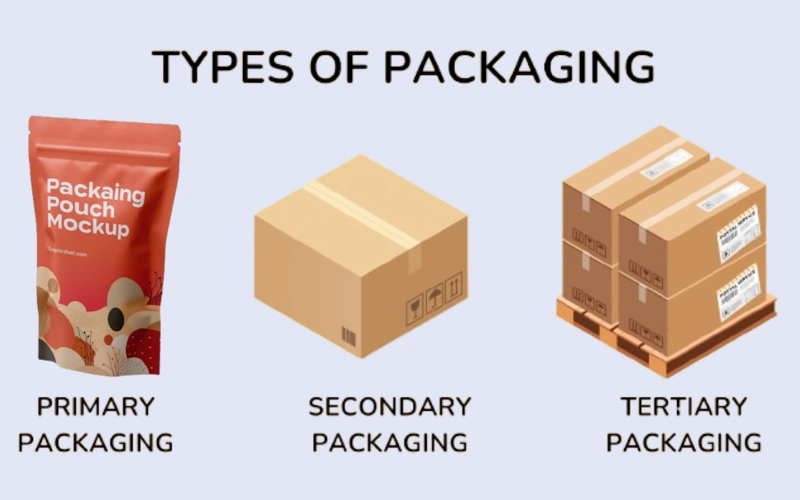
In this guide, I will talk about the three main categories of packaging:
- Primary Packaging: the first layer that touches or wraps around the product.
- Secondary Packaging: the packaging that groups primary packaging together.
- Tertiary Packaging: the packaging used for bulk shipping and storage.
By the end, you will clearly understand the types of packaging and how to choose the best one for your product.
1. Primary Packaging
Primary packaging is the first layer of packaging that comes in direct contact with the product. It keeps the product safe, intact, and easy to use. This is also the packaging customers interact with when they open or use the product.
Examples of Primary Packaging
- Bottles: Used for water, juices, oils, shampoos, and sauces. They can be made from plastic, glass, or metal.
- Tubes: Used for toothpaste, creams, gels, and ointments. They are soft, squeezable, and easy to use.
- Wrappers: Common for candies, chocolates, chips, and snacks. Wrappers keep food items sealed and fresh.
- Blister packs: Used for medicines, batteries, and small toys. They are clear and allow customers to see the product inside.
Benefits of Primary Packaging
- Product Protection: Keeps products safe from dust, germs, or leaks.
- Freshness: Helps food and medicines stay fresh and effective.
- Easy to Use: Bottles and tubes make pouring or squeezing simple.
- Information Display: Labels on bottles or wrappers show expiry dates, instructions, and ingredients.
- Customer Trust: A durable and clean primary packaging builds trust in the product’s quality.
In short, primary packaging is the product’s first shield and the customer’s first contact.
2. Secondary Packaging
Secondary packaging is the second layer that holds one or more primary packaging together. You can think of it as the packaging used for storage, branding, and safe delivery. It protects primary packaging during transport and also makes it easier to display products on shelves.
Examples of Secondary Packaging
- Cardboard boxes: Used for shipping bottles, electronics, or food packs.
- Cartons: Common for milk, juice, or cereals. They are eco-friendly and can be printed with brand details.
- Trays: Used to hold multiple cans, bottles, or jars together.
Benefits of Secondary Packaging
- Extra Protection: Keeps bottles or wrappers safe during handling.
- Branding Space: Boxes and cartons can show logos, colors, and product details.
- Easy Handling: Makes carrying and stacking products simple.
- Organized Storage: Groups multiple items in one package for better management.
For businesses, secondary packaging is also a marketing tool. These cartons make a strong first impression in stores.
3. Tertiary Packaging
Tertiary packaging is the outermost layer of packaging. It is not usually seen by customers but is very important for businesses. This type of packaging is mainly used for bulk storage and safe shipping of goods from factories to warehouses, or from warehouses to stores.
Examples of Tertiary Packaging
- Pallets: Large wooden or plastic platforms used to stack goods for transport.
- Shrink Wrap: A thin plastic film wrapped tightly around boxes or pallets to keep them secure.
- Crates: Strong containers made of wood, plastic, or metal for heavy items.
Benefits of Tertiary Packaging
- Safe Transport: Keeps products safe from shocks, falls, or pressure during shipping.
- Cost-Effective: Reduces product damage, saving money for businesses.
- Efficient Handling: Makes loading, unloading, and storing products easier.
- Bulk Protection: Holds large quantities together, preventing loss or mix-ups.
Though customers rarely see tertiary packaging, it plays a key role in the supply chain. Without it, products may get damaged before reaching the store.
Why It’s Important to Know the Difference
Understanding primary, secondary, and tertiary packaging is important for both businesses and customers.
- For businesses, it helps in choosing the right material, saving costs, and improving sales.
- For customers, it ensures products are safe, intact, and easy to use.
Each layer of packaging has its own job. Skipping one can cause product damage or a poor customer experience.
Choosing the Right Type of Packaging
When choosing packaging, businesses must think carefully. The right packaging not only protects the product but also helps in branding and customer satisfaction. Here are the key factors to consider:
1. Product Safety
The main role of packaging is to protect the product. For example, glass bottles need protective cartons, and food items need airtight wrappers.
2. Cost
Packaging should not cost more than the product itself. Businesses should balance between quality and affordability to stay profitable.
3. Branding and Design
Packaging is also a marketing tool. Well-designed packaging makes products stand out on shelves and helps customers remember the brand.
4. Sustainability
Eco-friendly packaging is becoming more popular. Using recyclable or biodegradable materials reduces waste and shows that a brand cares about the environment.
5. Customer Experience
Packaging should be easy to open, carry, and store. It should also look attractive, which adds to the customer’s buying experience.
By keeping these factors in mind, businesses can select packaging that not only protects but also promotes their product.
Conclusion
Packaging is not just about covering a product. It is about protection, presentation, and customer experience.
- Primary packaging touches the product directly and keeps it safe.
- Secondary packaging groups products together, adds branding, and protects during transport.
- Tertiary packaging ensures safe bulk shipping and storage.
Each type of packaging plays an important role in the journey of a product, from factory to customer.
If you are a business owner, always choose packaging that matches your product’s needs, budget, and customer expectations. The right choice will protect your product, improve your brand image, and win customer trust.
